
Man and Van vs Self‑Drive
Compare the complete cost and workload: vehicle, fuel, lifting, driving, parking, insurance and the return journey.
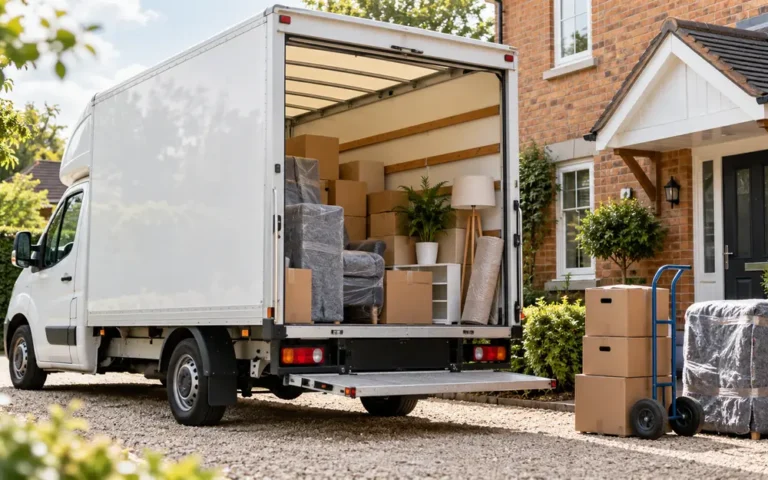 Compare the whole move, not just the van.The lowest rental headline can hide extra work and extra costs.
The practical difference
Self-drive hire gives you a vehicle and leaves driving, loading, unloading and return logistics to you. A man and van service combines the vehicle with a driver and the amount of carrying help selected for the booking.
| Factor | Man and van | Self-drive |
|---|---|---|
| Driving | Driver provided | You drive |
| Loading help | Based on mover count | You arrange it |
| Fuel | Included locally / reflected in quote | Usually extra |
| Rental deposit | None | Often required |
| Vehicle return | Not your task | May require an extra journey |
Self-drive can work well when…
- You are comfortable driving and parking a commercial van.
- You already have reliable lifting help.
- The route and parking are simple.
- You can collect and return the van without disrupting the move.
Man and van is usually easier when…
- There are stairs, heavy items or long carries.
- You are moving in London or another parking-restricted area.
- You do not want the responsibility of driving a larger vehicle.
- You want one coordinated booking for transport and carrying.
Insurance and responsibility
With self-drive, check the rental cover and excess carefully. With a moving service, check who the named service provider is and what Goods in Transit and Public Liability cover applies.
Related guides
Keep planning your move
Questions
Frequently asked questions
Is self-drive always cheaper?
No. It depends on fuel, rental terms, labour and your time.
Can I help load with a man and van?
Yes. Tell us how much help you want when requesting a quote.
Which option is easier in London?
A man and van is often simpler where parking and commercial-vehicle driving are concerns.
Decision guide
Choose based on the whole workload
Self-drive hire and a man and van service solve different problems. One gives you access to a vehicle; the other combines transport with a driver and the level of carrying help you book.
Include collection and return logistics
A rental van may need to be collected before the move and returned afterwards, sometimes to a specific branch and within a fixed opening window. For one-way or long-distance moves, that return journey can become a significant part of the day.
Be realistic about lifting help
Friends and family can reduce labour costs, but they may not be available for the whole booking or comfortable with heavy and awkward furniture. Stairs, washing machines, large wardrobes and sofas are the situations where experienced help matters most.
Consider the driving environment
Driving a long-wheelbase or Luton-style van is different from driving a car. Tight residential streets, height restrictions, London parking, underground car parks and reverse manoeuvres all deserve consideration before choosing self-drive.
Compare insurance and excesses
Self-drive hire normally comes with a rental insurance structure and an excess. A moving service has its own insurance arrangements. In either case, read what is covered, what is excluded and who is responsible for packing or pre-existing damage.
Think about the final hour of the day
After unloading, a self-drive van may still need refuelling and returning. A man and van booking ends when the agreed moving work is complete. That difference matters more on late finishes or long-distance moves.
Compare the options
Useful next pages
Ready to plan your move?
Send both postcodes, your inventory or photos and access details for a clear quotation.